Precision in 3D design is crucial in modern manufacturing. Without a proper understanding of dimensional tolerances and mechanical fits, even the best designs can fail. Clearance, a key concept in this discipline, determines how parts fit together and directly affects their functionality. In this article, we will delve deep into these aspects to optimize prototyping and the performance of your mechanical projects.
Dimensional Tolerances: Key Fundamentals
Dimensional tolerances are established ranges on the dimensions of parts that allow for variations in their manufacture. A design without tolerances can lead to parts that don’t fit or, worse, fail during use. There are two general types of tolerances: limit tolerances and form tolerances. The former usually refers to variations in overall dimensions, while the latter focuses on the geometry of the part. It is vital that designers understand how to apply these tolerances correctly to minimize errors during the manufacturing process.
Types of Mechanical Fits
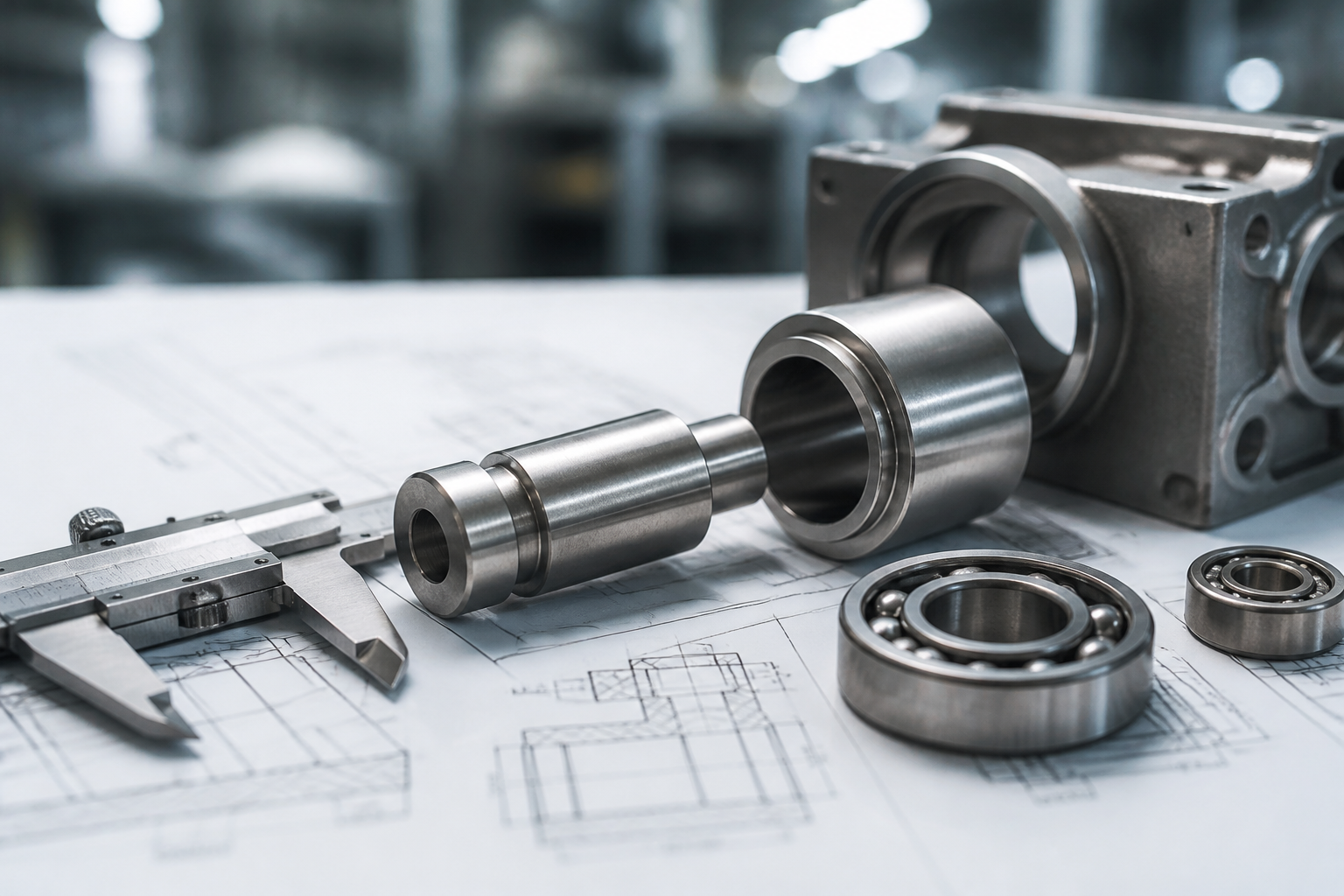
There are several types of mechanical fits that determine how parts fit together. Among them, clearance fit and interference fit are the most common. Clearance allows for a small space between parts, facilitating assembly and thermal expansion. On the other hand, interference fit means that the dimensions of the parts overlap, creating a stronger bond. Choosing between these fits depends on the specific design and functional requirements of the project. Understanding the differences is essential to select the appropriate method for each situation.
Metrical for Effective Prototyping
Prototyping plays a crucial role in validating designs, thus establishing clear metrics is fundamental. Dimensions and tolerances must be measured accurately during the prototyping process to ensure that parts fit correctly. Additionally, assembly and functionality tests should be conducted using measurement tools and 3D scanning technology to avoid surprises in final production. Meticulous documentation of these metrics can prevent failures and specification non-compliance.
Common Mistakes in Prototyping
Beginner mistakes are common when working with tolerances and fits. One of the most frequent is failing to consider the effect of temperature on materials; thermal expansion can impact clearance fits. It’s also common to ignore tolerances in design, which can cause problems during assembly. To avoid these mistakes, it is crucial to conduct thorough simulations and reviews before the production phase. Incorporating team feedback can ensure that all necessary technical aspects are accounted for.
Conclusion
Understanding dimensional tolerances and mechanical fits is essential for success in designing 3D components. Proper handling of clearance and interference fits not only leads to more effective prototyping but also optimal performance of the final product. Be sure to conduct thorough testing and document your findings to build a solid foundation for your future projects.
Keywords: Holgura, ajuste por interferencia, métricas, prototipado
Views: 12