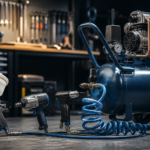

Active and pneumatic suspension systems have become essential in the modern automotive industry, providing a smoother ride and improved handling. However, did you know that behind this comfort lies a complex interaction between the suspension compressor, solenoid valves, and air bags? This article will break down their functioning and teach you how to detect possible leaks that could compromise system performance.
Functioning of Pneumatic Suspension Systems
Pneumatic suspension systems use air bags instead of traditional metal springs. These air bags, inflated and deflated by a suspension compressor, allow adjustment of the vehicle’s height according to load conditions and terrain type. By precisely controlling stiffness and height, optimal performance and unmatched comfort is achieved.
Solenoid Valves: The Heart of the System
Solenoid valves are crucial components in these systems as they regulate air flow to and from the air bags. By using electronic signals, they allow instant pressure adjustments, ensuring that each wheel has the necessary support at all times. This is particularly useful in bad weather or rough terrain, where a malfunction could lead to significant loss of vehicle control.
Fault Diagnosis: The Importance of OBD2
Early fault detection is vital for the safe and efficient functioning of suspension systems. OBD2 diagnostics becomes a fundamental tool in this regard. By connecting an OBD2 scanner, mechanics can obtain error codes that reveal issues with the suspension compressor or solenoid valve failures. This allows addressing problems before they escalate into costly repairs.
Identifying Common Issues
Common problems include air leaks in the suspension bags, caused by wear, damage, or cuts. These leaks not only impact vehicle height but can also generate additional wear on the compressor. Quick diagnosis can prevent severe damage and costly repairs, making this knowledge essential for any owner of a vehicle with pneumatic suspension.
Beginner Mistakes and Best Practices
One of the most common mistakes when working with pneumatic suspension systems is neglecting regular maintenance of the suspension compressor. This component should be free of moisture and dirt to ensure optimal operation. It is also advisable to periodically check filters and ensure no obstructions in the air system. Ignoring these steps can lead to malfunction, and OBD2 diagnostics may not reveal problems if the system is not properly maintained.
Conclusion
Understanding the functioning of active and pneumatic suspension systems, as well as the importance of proper diagnosis, is essential for any driver. Adopting a maintenance routine and familiarizing yourself with diagnostic tools like OBD2 is crucial for keeping your vehicle in top condition. Never underestimate the importance of a well-functioning suspension compressor; your safety and comfort depend on it.
Keywords: Compresor de suspensión, electroválvulas, bolsas de aire, diagnóstico OBD2
Views: 5