Introduction
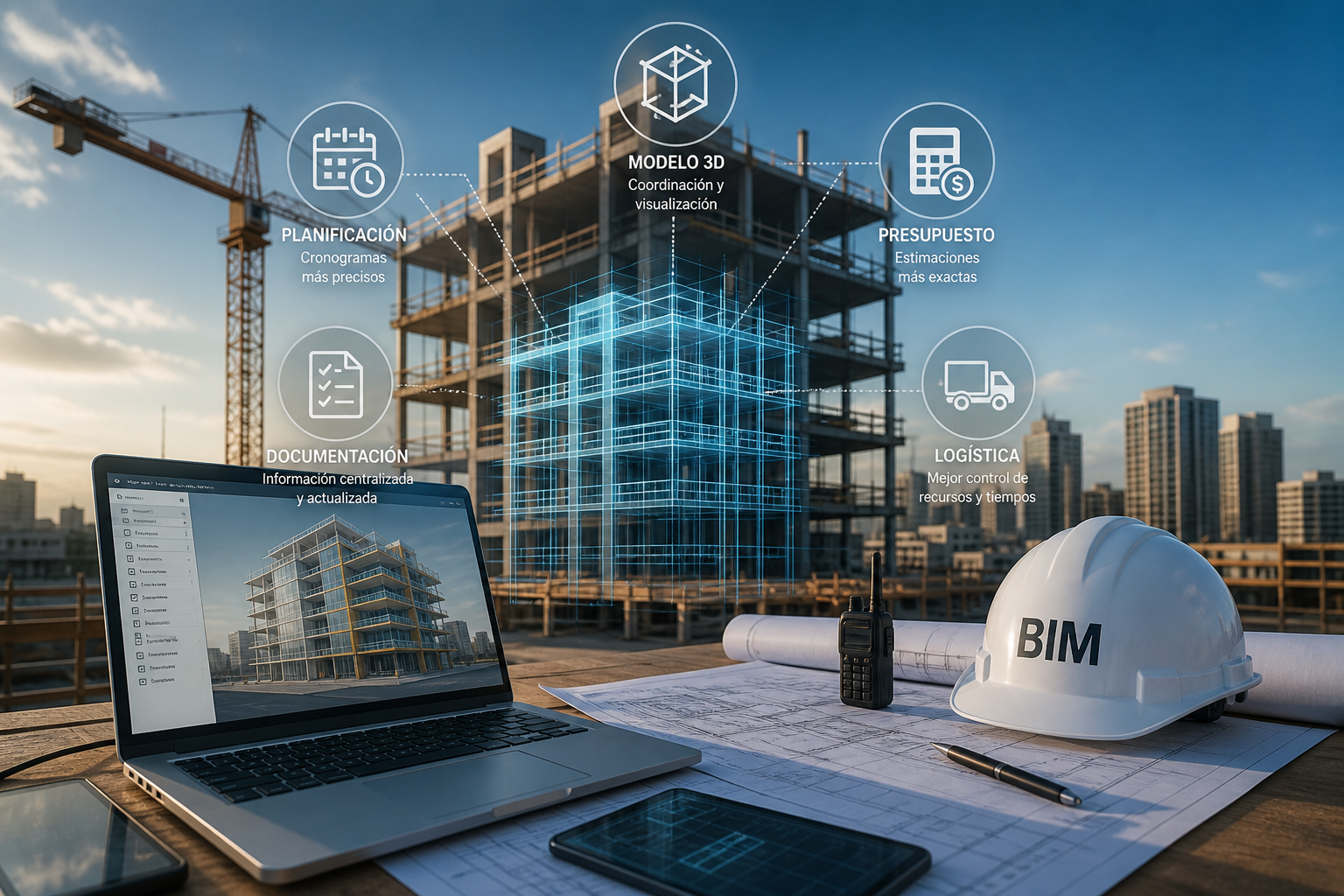
Did you know that around 70% of construction projects suffer significant delays due to planning and logistics issues? The implementation of Building Information Modeling (BIM) methodologies is revolutionizing this landscape, especially in medium-sized projects. 3D modeling and clash detection have become essential tools for achieving unprecedented levels of efficiency.
The impact of 3D Modeling on Planning
3D modeling is more than just a visual representation; it is a simulation of reality. It allows architects and builders to visualize the project in a three-dimensional environment, facilitating a better understanding of the architecture and engineering involved. This not only enhances communication between teams but also reduces errors during the construction phase.
Advantages of 3D Modeling
- Clear visualization: 3D models provide a realistic representation of the project, allowing all stakeholders to understand the details.
- Early problem detection: Simulations allow the identification of clashes before construction, minimizing rework and additional costs.
- Improved collaboration: It facilitates cooperation between different disciplines by providing a common visual language.
Clash Detection: Preventing Issues on Site
Clash detection is a crucial process in BIM methodology. This process involves analyzing the 3D model to identify collisions and conflicts between different systems, such as structure, plumbing, and electricity. By addressing these issues during the design phase, costly delays and overruns can be avoided on site.
How to Implement Clash Detection
- Use specialized BIM software: Tools like Revit and Navisworks are essential for conducting effective clash analysis.
- Conduct periodic reviews: Schedule sessions to review the model during the design process to proactively detect problems.
- Team Training: Ensure that all team members are trained in using BIM tools to maximize their effectiveness.
Beginner Mistakes and Best Practices
Although BIM methodologies offer numerous advantages, their implementation is not without common mistakes that can affect the project’s success. Some of these mistakes include the lack of a structured workflow and the omission of collaboration between disciplines.
Best Practices to Avoid Mistakes
- Establish a clear protocol: Define the working methodology and the roles of each team member from the project’s outset.
- Encourage communication: Facilitate regular meetings to ensure everyone is aligned and problems are addressed swiftly.
- Evaluate and adjust at each phase: Make continuous improvements based on lessons learned in each project stage.
Conclusion
Planning and logistics in construction have been transformed with the use of BIM methodologies. By incorporating 3D modeling and clash detection, medium-sized projects can achieve significantly high levels of efficiency. As a practical tip, kick off your BIM project with a clear planning meeting, where roles, workflows, and common objectives are established to maximize collaboration and project success.
Keywords: Modelado 3D, detección de interferencias, eficiencia
Views: 24