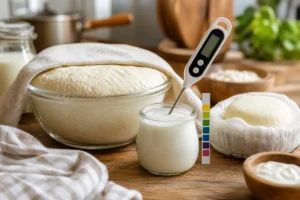
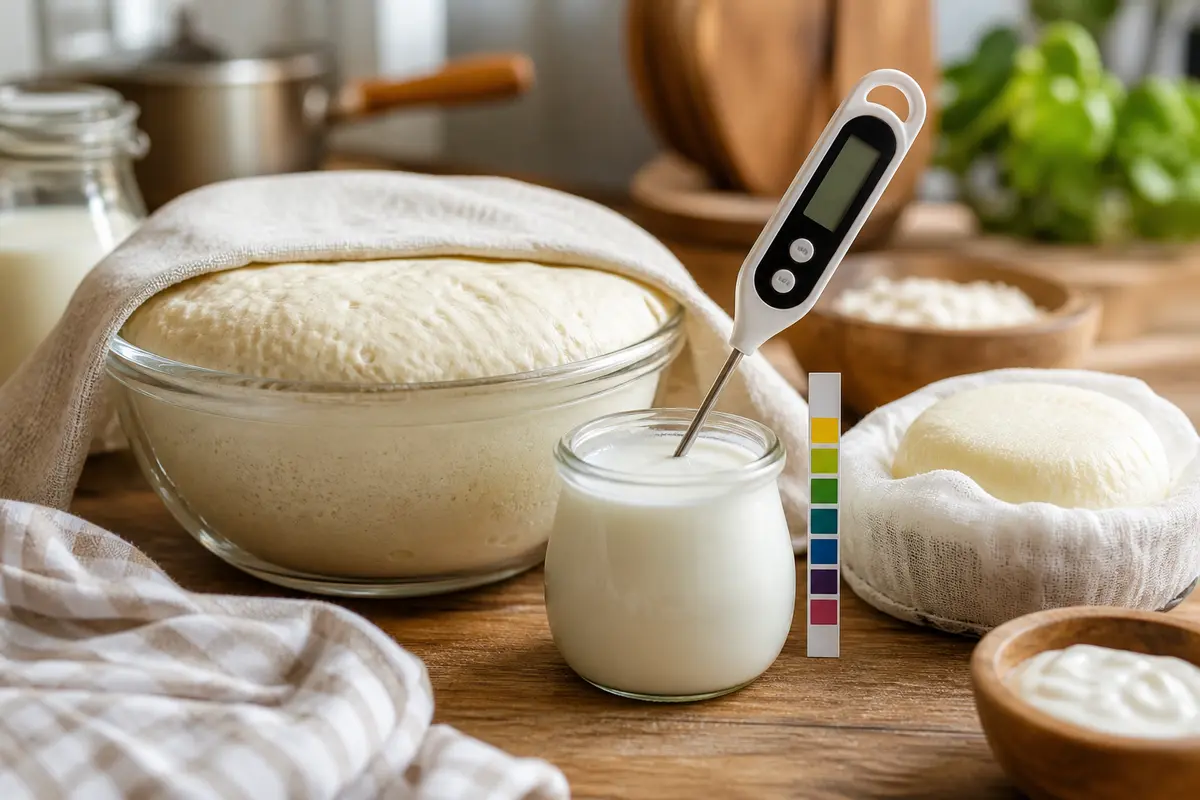
Homemade fermentation is an art that combines science and technique. Often, the success of dairy products such as homemade yogurt and sourdough bread relies heavily on temperature and pH control. Did you know that improper handling of these parameters can ruin the entire outcome? Below, we will show you how to optimize these aspects to achieve exceptional results in your fermentations.
Fundamentals of Fermentation and Its Relation to pH
Fermentation is a biochemical process where microorganisms convert sugars into alcohol or acids. In the case of homemade yogurt and sourdough, pH plays a critical role. A low pH (acidic) favors the activity of lactic acid bacteria that are essential for yogurt production. On the other hand, the pH of sourdough affects not only flavor and texture but also bread preservation. Controlling pH allows you to influence taste and ensure food safety. Using a pH meter is recommended for precise readings and necessary acidity adjustments.
How to Measure and Adjust pH
To measure the pH of your ferments, a digital pH meter is an indispensable tool. It should be calibrated with standard solutions to ensure precision. To adjust pH, you can add acidulants like citric acid or alkaline substances like baking soda, depending on the desired outcome. However, it’s essential to make gradual adjustments and record changes, as an inappropriate pH can affect yeast and bacteria activity. Remember that for sourdough, an optimal pH range is between 4.5 and 5.0.
Thermal Control: Why Is It Crucial?
Thermal control is vital in any fermentation process. Every microorganism has an optimal temperature for its activity. The right temperature stimulates the growth of bacteria and yeasts, while extreme temperatures can deactivate these organisms. For homemade yogurt, a temperature between 40°C and 45°C is perfect for starter cultures’ activity. In the case of sourdough, lower temperatures may lead to slower development but with more complex flavors.
Methods to Maintain the Right Temperature
There are several methods to retain heat during fermentation. One of the simplest is to use a slow cooker on the warm setting. Alternatively, you can use an oven with the light on or place containers in a cooler with warm water. The temperature should be monitored regularly, as slight variations can affect the final product. Additionally, it is advisable to standardize the initial temperature of the ingredient (milk or dough) to achieve consistent results.
Common Mistakes in Homemade Fermentation and How to Avoid Them
One of the most common mistakes is neglecting pH and temperature control. Ignoring these factors can result in tasteless or dangerously contaminated products. Another frequent error is a lack of patience; fermentation takes time, and rushing can lead to suboptimal outcomes. Moreover, failing to document the conditions of each fermentation prevents learning from each process. Keeping a fermentation journal can help you understand what adjustments are necessary for improvement with each attempt.
Conclusion and Practical Advice
Temperature and pH control are essential for success in homemade dairy and dough fermentation. Measuring and adjusting these parameters correctly not only enhances the flavor and texture of your preparations but also guarantees their safety. A practical tip is always to document each step of the process. This way, you not only ensure consistency in your results but also learn from each fermentation and improve your techniques over time.
Keywords: fermentacion masa madre, yogur casero, control termico, pH alimentos
Views: 4