Did you know that the irresistible flavor of perfectly seared meat is due to a fascinating chemical process? The Maillard reaction is the key behind that golden, delicious crust we all love. This thermochemical phenomenon, which occurs during cooking, not only enhances the flavor and texture of food but is crucial for achieving a complete culinary experience. In this article, we will break down the science behind the Maillard reaction, its relation to meat sealing, and provide practical tips for mastering this technique in your own kitchen.
What is the Maillard Reaction?
The Maillard reaction is a non-enzymatic browning process that occurs between amino acids and reducing sugars at elevated temperatures, typically starting at 140 °C (284 °F). It’s responsible for developing complex flavors and brown colors in many foods, from toasted bread to roasted meats. This process is fundamental in cooking as it activates compounds like heterocyclic aromatic compounds, which are responsible for the umami flavor. Remember: the cooking temperature is crucial for initiating this reaction. If you cook at too low temperatures, insufficient energy will be produced for the reactants to reach their point of reaction, resulting in dry, flavorless meat.
The Science Behind Meat Sealing
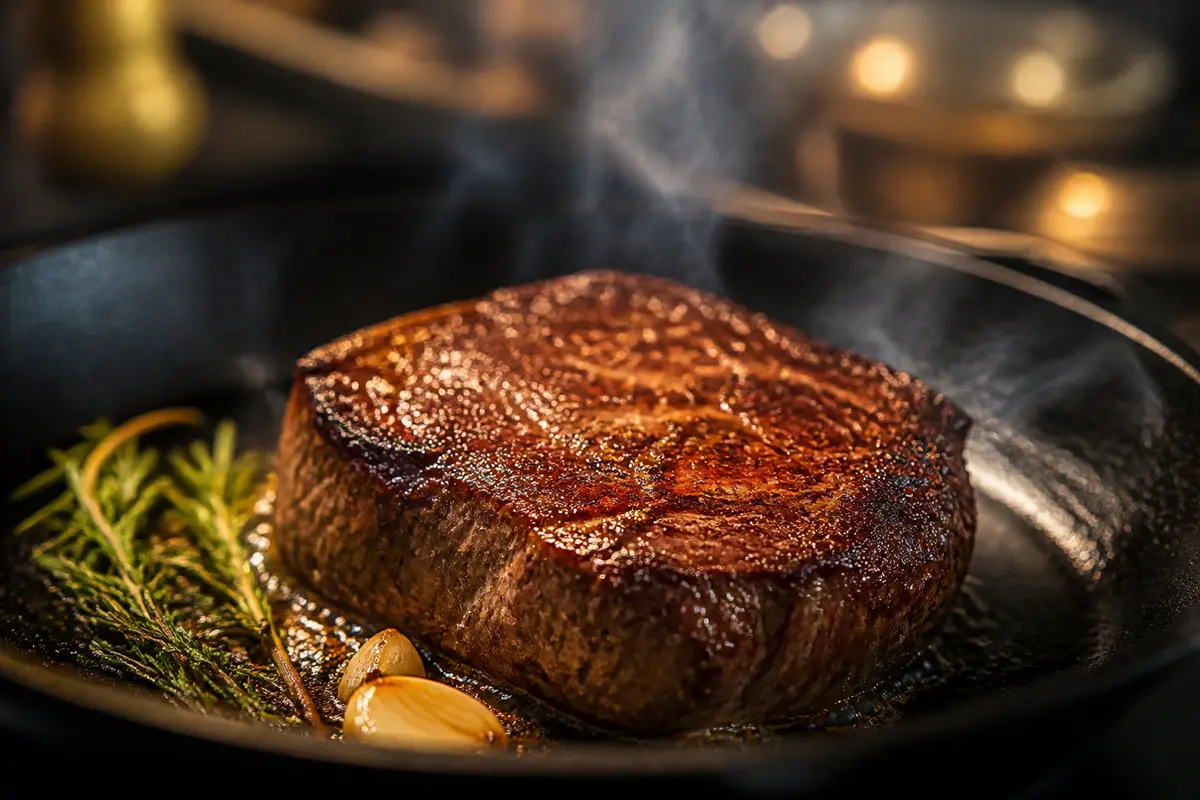
When we sear meat, we aim to create an external crust that is golden and crunchy, a phenomenon directly resulting from the Maillard reaction. This process not only enhances flavor but also acts as a barrier that helps retain the internal juiciness of the food. The Maillard reaction kicks off when the surface of the meat reaches temperatures between 150 °C and 160 °C. It is at this point that sugars and amino acids begin to react, producing a range of volatile and coloring compounds that completely transform the meat. However, it’s essential not to exceed the temperature; burning the meat means breaking the balance and generating bitter flavors.
A Guide to Perfect Meat Sealing
To achieve perfect sealing, you need to follow certain crucial steps. First, ensure that the meat is dry. Excess moisture can hinder crust formation. Use paper towels to pat the piece dry before placing it in the pan. Second, preheat your pan or grill to medium-high heat. Proper heat guarantees that the surface of the meat quickly reaches 150 °C. Another important aspect is fat choice; an oil with a high smoke point, such as canola or avocado oil, is ideal. Lastly, avoid moving the meat too much. Let it form its crust before flipping; this can take between 3 to 5 minutes depending on the thickness of the piece.
Beginner Mistakes in Meat Sealing
Often, novice cooks make several common mistakes when attempting to seal meat. One of the most frequent is lack of adequate temperature. Cooking in a cold pan is one of the biggest mistakes; sealing will not occur, and the possibility of the Maillard reaction will be lost. Moreover, using overly wet marinades can result in a gummy texture. Another common mistake is moving the meat too frequently. The crust forms only when the meat has time to interact with the hot surface. Finally, undercooking the meat can leave it raw inside. Use a meat thermometer to ensure the internal cooking is appropriate.
Conclusion and Practical Tips
The Maillard reaction is a fascinating process that transforms meat into a culinary masterpiece. By mastering the proper sealing technique and understanding this thermochemical phenomenon, you’ll not only enhance the flavor of your dishes but also become a better cook. Always remember: dry your meat, control cooking temperature, and let the crust form. Your taste buds will thank you!
Keywords: reaccion de Maillard, sellado de carne, temperatura de coccion, termoquimica cocina
Views: 4