Introduction
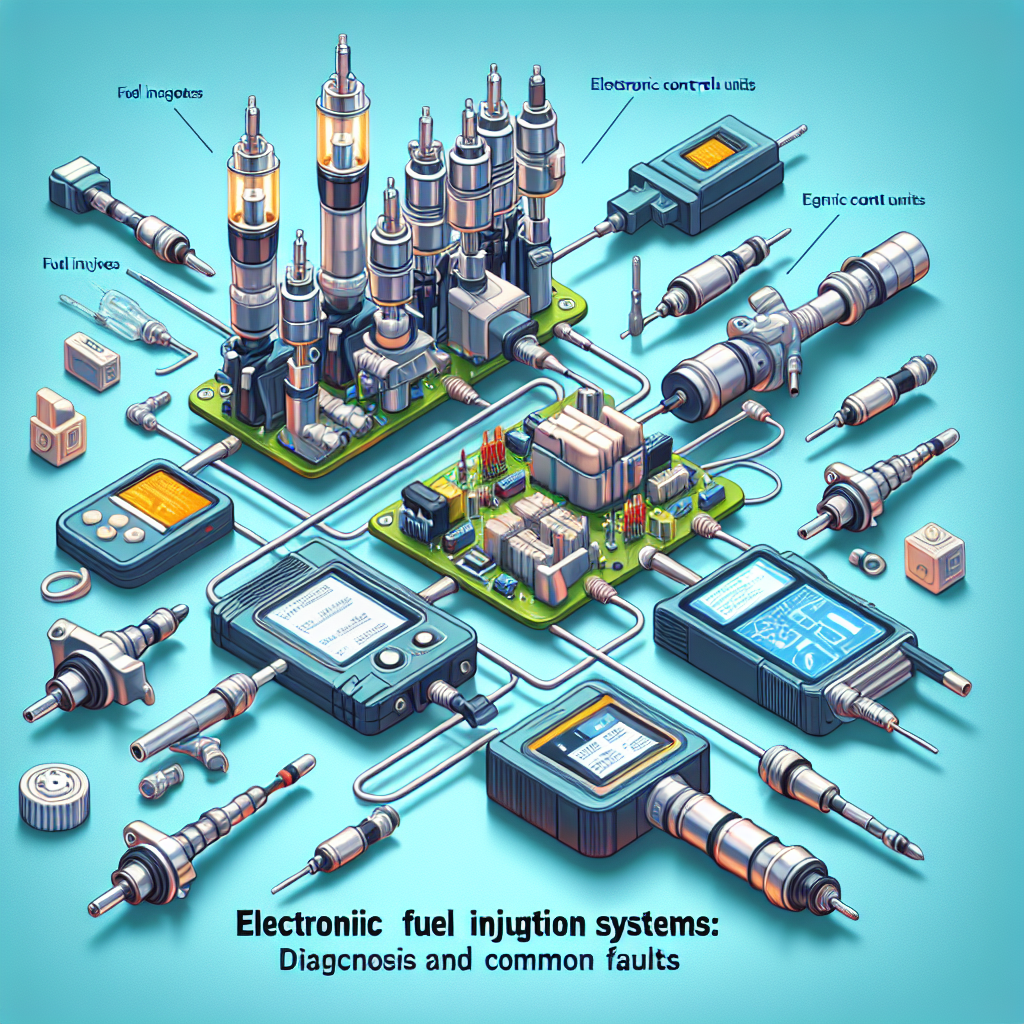
Electronic injection is essential for the performance of modern engines. Proper diagnosis can maximize fuel efficiency and extend the vehicle’s lifespan.
What is OBD2?
OBD2 (On-Board Diagnostics II) is a diagnostic system that allows mechanics to access critical information from the engine and other vehicle components. This system is fundamental for detecting problems.
Functions of OBD2
- Emission monitoring
- Failure detection in sensors
- Software updates
MAF Sensors: An Essential Component
MAF sensors (Mass Air Flow) are crucial for measuring the amount of air entering the engine. A failure in these sensors can lead to a poor air-fuel mixture and affect fuel efficiency.
Diagnosing MAF Sensor Failures
- Common symptoms:
- Power loss
- Increased fuel consumption
- Check engine light activation
Tools for Diagnosis
To carry out effective diagnostics, various tools can be used:
- OBD2 Scanner: Allows reading error codes and checking sensors.
- Multimeter: For measuring voltages and currents in sensors.
- Pressure gauge: Checks fuel pressure and flow.
Conclusion
Electronic injection systems are complex but crucial for vehicle performance. With the right tools and a strategic diagnosis, common failures can be identified and resolved, thus ensuring efficient and prolonged engine operation.
Etiquetas: OBD2, sensores MAF, eficiencia combustible
Views: 44