The interest in giant robots has notably resurged in 2026, reviving a genre that had remained in the background. What is driving this renaissance? New productions not only appeal to nostalgia but also reinvent narratives and designs, successfully capturing both new audiences and classic mecha enthusiasts. Join us in this analysis to understand the trends behind this fascinating revival.
Nostalgia as a Driving Force of the Renaissance
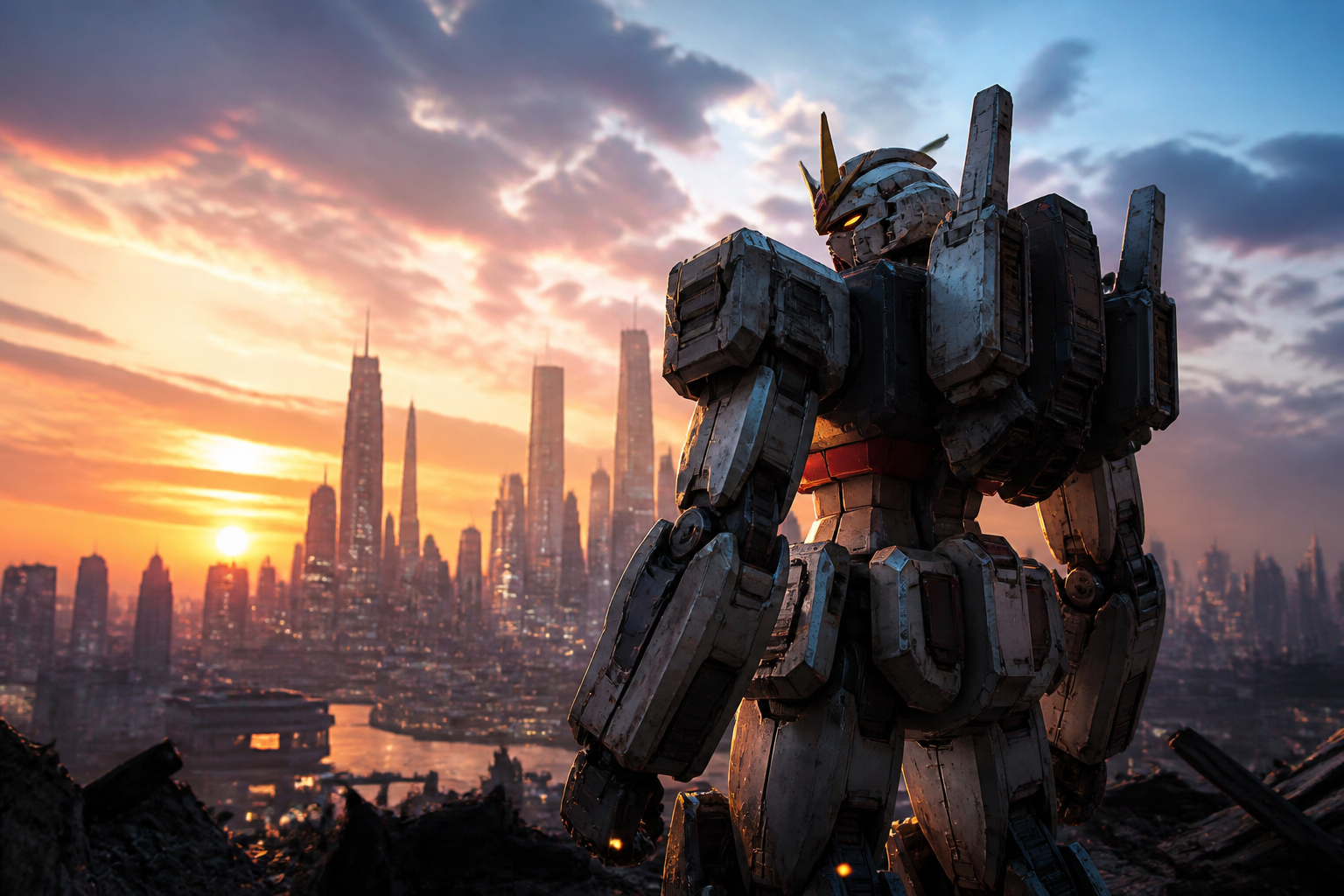
Nostalgia is a powerful phenomenon that connects viewers to their past, evoking emotions that are hard to ignore. In the 1980s and 1990s, the mecha genre peaked with series like ‘Mobile Suit Gundam’ and ‘Neon Genesis Evangelion’. In 2026, we’ve seen a surge of remakes and continuations of these stories, awakening the curiosity of those who grew up with them. New productions leverage this nostalgia, offering nods to original plots while introducing modern visual treatments powered by advanced technology. Furthermore, the race towards visual innovation has turned giant robots into stunning visual spectacles, attracting a new generation of fans looking for impactful cinematic experiences.
Narrative Evolution in the Mecha Genre
The resurgence goes beyond visual aspects; narrative evolution plays a crucial role. Today, mecha stories explore contemporary themes such as artificial intelligence, sustainability, and ethics in warfare. Plots address moral dilemmas surrounding modern technology, reflecting current social concerns. This allows audiences to connect with characters on a deeper level and permits creators to reflect on the impact of technology on human life. Additionally, there is an increased inclusion of diverse protagonists, enriching narratives and broadening the spectrum of identification among viewers. This fresh, critical approach moves away from the purely war-centric narratives of the past, presenting stories that resonate with today’s cultural climate.
Mecha Design: The Fusion of Art and Technology
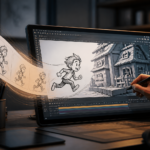
Mecha design has significantly evolved over the decades. Technological innovations allow for the creation of more complex and detailed models, turning mechas into genuine works of art. From animation to 3D modeling, modern techniques enable designers to experiment with shapes and colors, resulting in giant robots that are not only imposing but also aesthetically pleasing. Collaborations between anime designers and contemporary artists have pushed the boundaries of the genre, fusing academic aesthetics with pop culture. This variety in design appeals to different generations’ tastes and reinforces the appeal of mechas today. Thus, viewers seek not only captivating stories but also a visual feast filled with detail and creativity.
Common Mistakes in Reinventing the Mecha Genre
While the renaissance of the mecha genre is exciting, it’s also crucial to learn from past mistakes. A common pitfall is overloading the narrative with too much action and little character development. This can alienate viewers who desire an emotional connection with the story. Additionally, falling into stereotypes and clichés instead of offering multifaceted characters can make new productions feel hollow. On the other hand, excessive commercialization of franchises may dilute content quality. To succeed, it is vital for content creators to focus on narrative integrity, investing in coherent and strong stories that truly honor the rich history of mecha.
Conclusion: The Future of the Mecha Genre
The resurgence of giant robots in 2026 is not just a return to nostalgia; it is an evolution addressing contemporary issues and leveraging innovations in design. As this genre captures the imagination of new audiences, maintaining a balance between action and character development will be essential. In this way, mecha will not only survive but thrive in the hearts of viewers in the future.
Keywords: Robots gigantes, nostalgia, evolución narrativa, diseño de mechas
Views: 2