Mexican cuisine is a vibrant fusion of flavors, colors, and textures, where mother sauces play a fundamental role in the country’s gastronomic identity. Adobos, moles, and pipianes are more than just accompaniments; they represent true culinary heritage that has been passed down through generations. In this article, we will explore the differences and uses of these sauces, highlighting essential ingredients like seeds, dried chiles, and natural thickeners that bring each dish to life.
Adobos: The Flavor Base
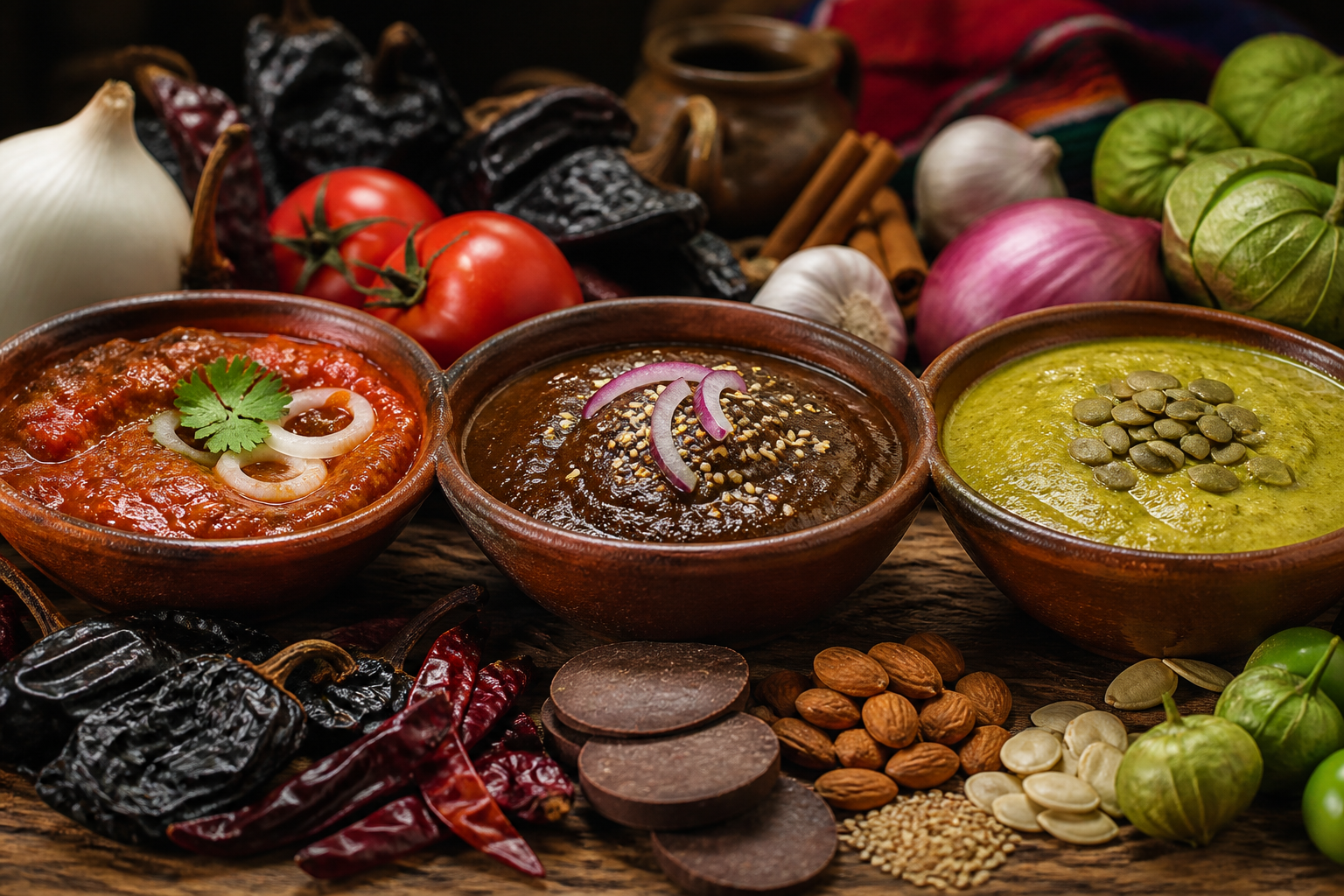
Adobos are marinades primarily used to enhance the flavor of meats and vegetables. They are characterized by their acidity, typically derived from ingredients like lemon juice or vinegar. The use of dried chiles, such as guajillo and ancho, provides a robust and spicy flavor profile. Not only do adobos add flavor, but they also act as natural preservatives, prolonging the shelf life of foods. Preparing a good adobo requires a careful combination of spices and herbs, where seeds like cumin and black pepper are toasted to enhance their flavor.
Moles: A Feast of Flavors
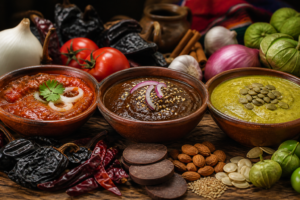
Mole, one of the most famous treasures of Mexican cuisine, is a complex dish that combines dried chiles, chocolate, spices, and sometimes nuts. There are many variations, with mole poblano and mole verde being two of the most popular. The preparation of mole can be labor-intensive as it involves the blending and cooking of multiple ingredients. Natural thickeners, such as chocolate or pumpkin seeds, are essential for achieving the right texture. Moreover, mole is versatile; it can be used in meat, chicken, or even vegetarian dishes, making it an ideal choice for any occasion.
Pipianes: The Heritage Sauce
Pipianes are lesser-known sauces than moles but equally delicious. They are made with seeds like pumpkin or sesame, along with dried chiles, creating a rich and aromatic mixture. Pipianes tend to be lighter than moles, making them perfect for accompanying fresher dishes. One of the keys to their success lies in properly toasting the seeds, which enhances their flavor and gives them a crunchy touch. This type of sauce is ideal for chicken or fish dishes, and its ease of preparation makes them a popular option for everyday cooking.
Common Mistakes and Best Practices
When preparing these mother sauces, many novice cooks make mistakes that can affect the final outcome. For instance, failing to adequately toast the seeds and spices can result in a flat flavor profile. Also, balancing acidity and spiciness in adobos is crucial, as an excess of one or the other can ruin the marinade. It is advisable to follow reliable recipes and not skimp on the quality of ingredients, especially dried chiles, which should be fresh to ensure authentic flavor. Experimenting with different combinations of chiles and spices can open up a world of flavors and elevate your cooking to a higher level.
In conclusion, exploring the mother sauces of Mexican cuisine is a fascinating journey through the country’s culinary heritage. Learning about the proper preparation of adobos, moles, and pipianes not only amplifies the flavor of your dishes but also connects you with Mexico’s rich gastronomic history. Be sure to incorporate these traditional techniques into your cooking and enjoy a feast of flavors in every bite.
Keywords: Semillas, chiles secos, espesantes naturales, herencia culinaria
Views: 12