When it comes to Japanese cuisine, the term ‘frying’ rarely conjures up images of dull and greasy food. Instead, it is associated with crunchy and delicate dishes like Tori Karaage and Tempura. Both employ unique techniques that not only enhance flavor but also offer a lasting crispy texture. But how do these two methods differ, and what makes them so irresistible? Here, we’ll analyze each technique in detail, diving into their ingredients, marination, oil temperature, and the essential role of potato starch.
Tori Karaage: The Art of Marination
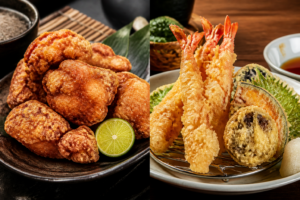
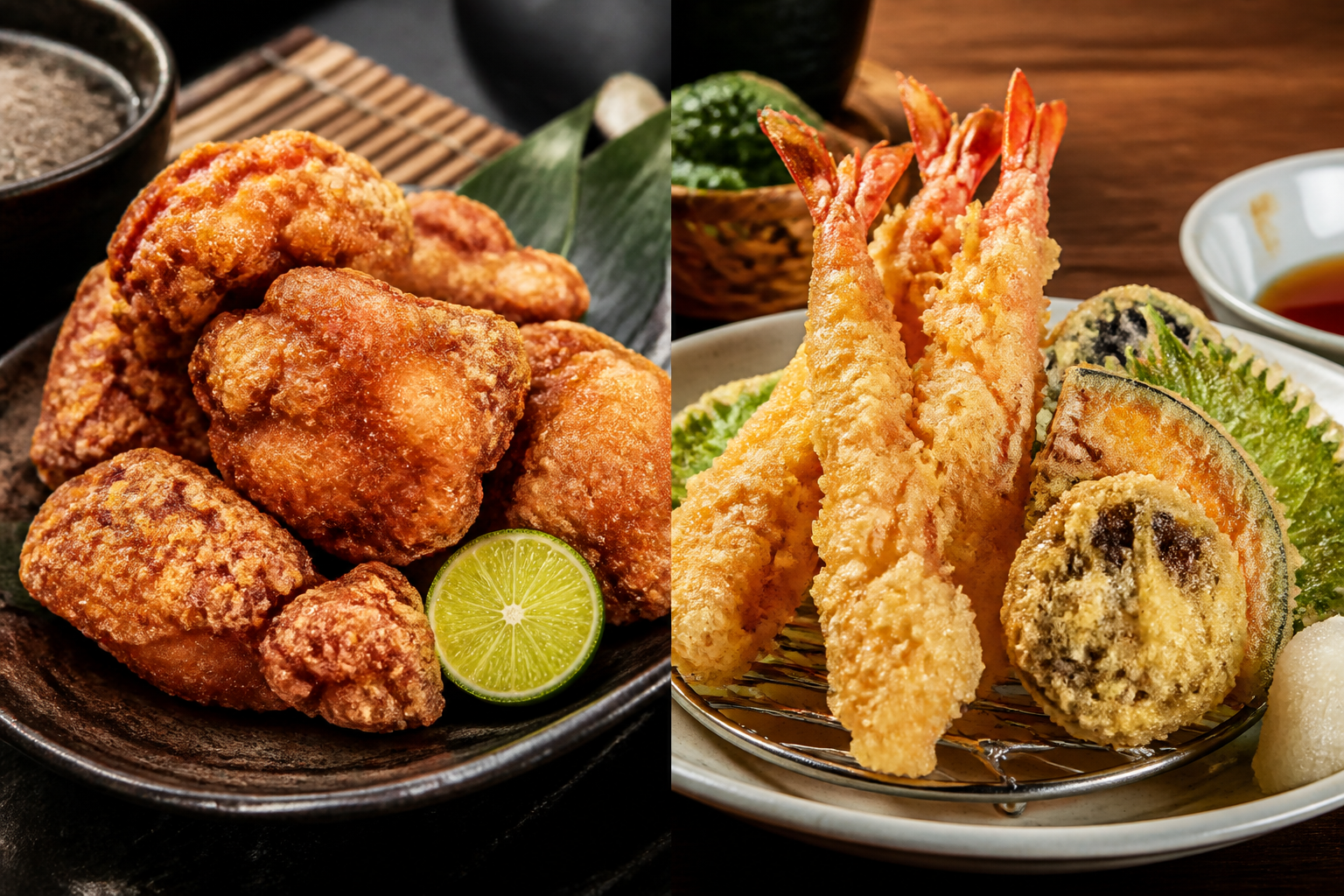
Tori Karaage is undoubtedly one of Japan’s most iconic dishes. This method involves carefully selecting ingredients and meticulous marination. The meat, typically chicken thigh, is marinated in a mixture that can include soy sauce, garlic, ginger, and even sake. This step not only adds deep flavor but also allows the meat to retain its juiciness during frying. After marination, the meat is coated, often with potato starch, which is crucial for achieving that coveted crispy and golden crust. An appropriate ratio of potato starch ensures that the moisture of the meat is trapped while frying creates a crunchy exterior that provides an impressive textural contrast.
Tempura: Delicacy in Every Bite
On the other hand, Tempura represents a completely different technique focused on the lightness and freshness of the ingredients. Originally brought from Portugal, the recipe was adapted into Japanese culture, becoming a culinary hallmark. The batter for Tempura is made with a mixture of flour and ice-cold water, resulting in a thin and crispy layer. One trick for excellent Tempura lies in the oil temperature: it must be hot enough to quickly seal the ingredients, preventing them from soaking up too much oil. Here, potato starch can also play a crucial role, as it is mixed with the flour to enhance the texture and lightness of the fry. The result is a sensory experience that retains the freshness of the food inside, complemented by a perfectly crunchy exterior.
Comparison: Texture and Flavor
While both methods share the common goal of achieving irresistible crunchiness, the differences in texture and flavor are noteworthy. Tori Karaage is characterized by its thick, robust crust that, when broken, reveals juicy and flavorful meat. In contrast, Tempura is light and ethereal; when bitten into, it bursts into a crunchy experience that doesn’t overwhelm the natural flavors of the ingredient. This distinction is crucial for chefs and culinary enthusiasts as it dictates the choice of each technique for a particular dish. For instance, when serving seafood, Tempura may be more suitable, while Tori Karaage is ideal for recipes where meat takes center stage.
Common Mistakes and Best Practices
While these techniques may seem straightforward, there are several mistakes to avoid. In Tori Karaage, excessive marination can result in overly soft texture. On the other hand, for Tempura, using oil at an improper temperature can lead to greasy or undercooked fry. Setting up an appropriate frying station is essential; using a fryer with temperature control allows you to maintain quality. Be sure to dry the ingredients well before frying and experiment with the combination of potato starch and flour to find the blend that best suits your taste.
Conclusion: Let’s Fry!
Whether you lean towards Tori Karaage or Tempura, both techniques offer a rich culinary tradition worth exploring. The key lies in mastering marination, oil temperature, and the ratio of potato starch. Don’t be afraid to experiment; each attempt will bring you closer to perfecting your Japanese culinary arts.
Keywords: Fécula de papa, marinado, temperatura de aceite, textura
Views: 15